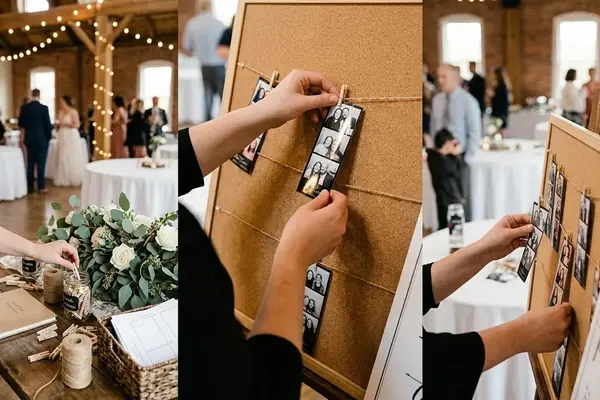
Locate one year of photographs across phones, cloud folders, messaging threads, and removable drives. Identify which images open without recovering an account or connecting an aging device. Select a small number for physical printing. An instant photograph creates an independent object at capture, bypassing the digital decay of forgotten hard drives. The sheer unmanageable volume of modern image capture threatens personal histories with format obsolescence. Photographers capture thousands of fleeting moments, yet rarely hold them in their hands. The transition back to tangible media requires a fundamental shift in how practitioners approach image creation.
Auditing the Digital Camera Roll
Beginners often trust cloud synchronization implicitly, assuming their visual history remains safe on remote servers. A practical memory audit reveals the fragility of this approach. Export selected camera-roll files into dated folders every three to six months. Verify these backups by opening on the order of 20 files on a second device. Moving from passive accumulation to active management secures your visual history against sudden platform changes or account lockouts. Platforms keep shifting, and older file formats and abandoned storage accounts drift out of reach.
Physical prints require their own maintenance schedule to ensure longevity. Review physical prints every six to twelve months for fading, adhesive damage, moisture, or album-page discoloration. An instant photograph sidesteps that decay entirely, existing as its own object the moment the shutter clicks. The tactile nature of a printed photograph demands physical space, forcing a level of curation absent in digital hoarding. Building print displays or incorporating these images into diy projects transforms hidden data into visible daily inspiration.
Routine Verification Protocol Export selected camera-roll files into dated folders every three to six months, verifying them by opening around 20 files on a second device.
Overcoming Decision Paralysis in High-Volume Shooting
Endless capacity creates severe decision paralysis. Shooting fifty variations of a single moment ensures none of them receive proper attention. When a moment produces dozens of near-duplicates, compare them in one pass using three criteria: expression, focus, and composition. This focused evaluation cuts through the noise of burst-mode photography. The goal is to find the definitive frame that captures the essence of the scene.
Conduct a single review within 24 to 72 hours for a sequence of 50 or so similar frames. Reduce this batch to one primary image plus, at most, one alternate. Mark one frame as the event photograph. Retain a second only when it records materially different information. Move the selection into a print queue before returning to the full camera roll. This turns curation into a decision made close to the event rather than a monumental task deferred indefinitely.
Set a recurring 30 to 45-minute monthly session for choosing photographs to print, caption, or place in an album. Kept up over several years, the routine builds a curated visual legacy. True archival preservation relies on strict curation. Selecting the single best representation of an event builds a stronger narrative than hoarding every frame. The discipline of selection transforms a chaotic camera roll into a meaningful collection of wedding inspiration, family milestones, and daily observations.
Calculating the Cost Per Frame
Loading an eight-frame pack introduces immediate financial friction into the creative process. Divide the purchase price by eight and treat that result as the cost of each shutter press. This expense becomes a visible shooting constraint rather than a surprise discovered later. The financial limitation forces a deliberate pause, altering the photographer's relationship with the subject. Every shot requires justification.
Use an eight-frame counter and wait for 20 to 30 seconds before each exposure. Inspect light direction, framing, subject distance, and obstructions near the lens. Check the film-age guidance and flash setting. Decide whether the scene justifies one of the remaining exposures. This methodical approach eliminates the careless snapping encouraged by mobile photography. The photographer must commit to the composition before the shutter actuates.

After exposure, protect the print from strong light. Allow the manufacturer’s stated development interval, commonly 5 to 15 minutes for current integral materials, before judging color and density. Friction acts as a filter for intentionality. It elevates the mundane into something worth capturing, ensuring every press of the shutter carries weight and purpose. The resulting image holds more value because it required genuine effort and resources to produce.
Exposure Constraint Strategy Use an eight-frame counter and pause for 20 to 30 seconds before each exposure to inspect light direction, framing, subject distance, and obstructions near the lens.
Preserving the Tangible Photograph
An instant print is a unique, tactile object that resists perfect replication or digital hacking. Once the image has developed, write the date, place, and names on the border or album caption rather than across the image area. Store instant prints in a dark, dry interior location using acid-free pages or sleeves made from polyester, polypropylene, or polyethylene. Avoid PVC sleeves, rubber bands, pressure-sensitive tape, and direct window light. These materials accelerate chemical degradation and ruin the print surface. Careful archiving matters for long-term scrapbooking and family history preservation.
Inspect the album at 6 to 12-month intervals. Isolate any print showing moisture, surface adhesion, chemical leakage, or pronounced color change. A single instant print remains an independent physical artifact subject to fire, flooding, loss, and chemical fading. Irreplaceable images require scanning and storage in at least two separate locations. The physical original remains shareable without an account, while the scan supplies a separate digital safety net.
The artifact-versus-backup boundary becomes clear here: handing over the unique instant original creates the offline exchange, while a labeled scan protects the memory from the original’s physical loss. For detailed preservation guidance, consult archival storage guidelines. Proper storage in albums helps them outlast most digital formats, preserving the physical evidence of these lives for future generations to discover.
Executing an Eight-Frame Gathering
Choose one family or friend gathering this weekend. Load exactly one eight-frame pack. Assign the frames before arrival using an intention ledger:
- Two group portraits
- Two close portraits
- Two candid interactions
- One detail
- One unplanned exposure
Keep a simple exposure tally during the event. Complete all eight exposures during one two to four-hour gathering. Stop when the pack is finished rather than switching to unrestricted phone shooting. Give away four prints before the gathering ends. Label and box the other four within 12 to 24 hours. Follow the film packet’s handling and drying instructions before enclosing them tightly.